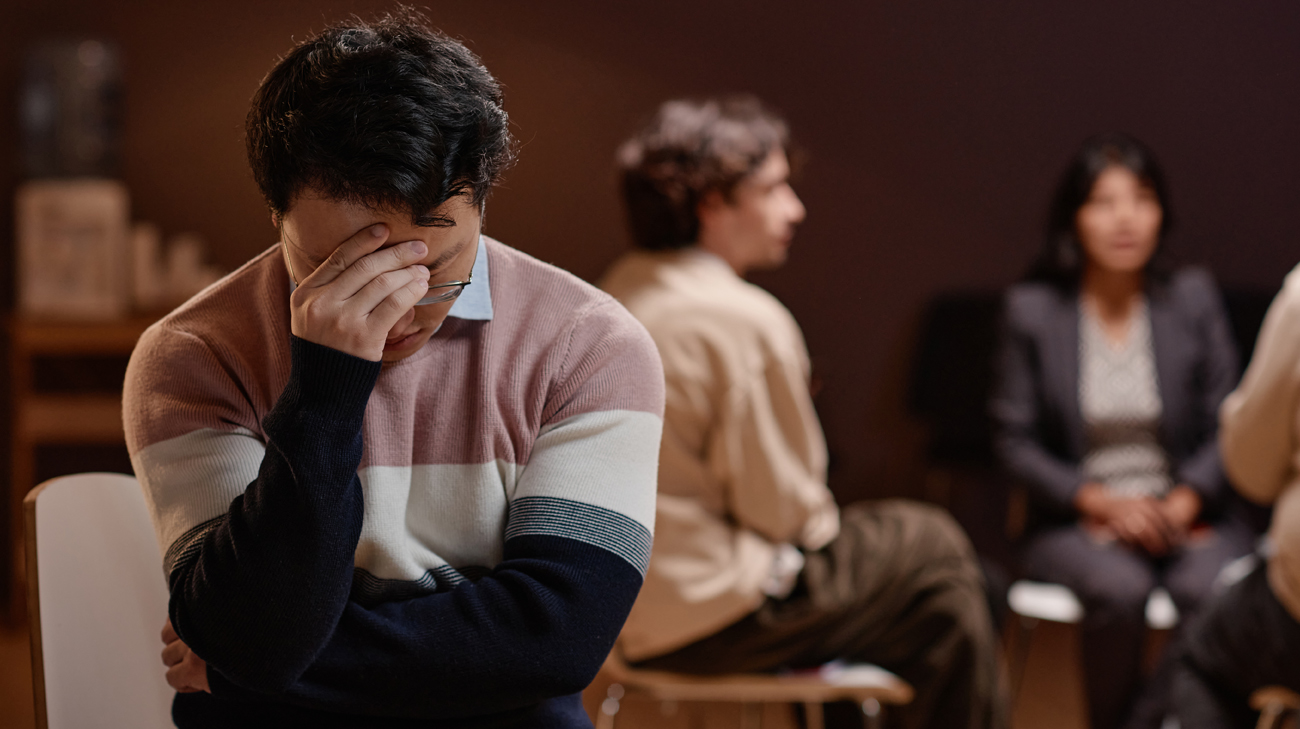
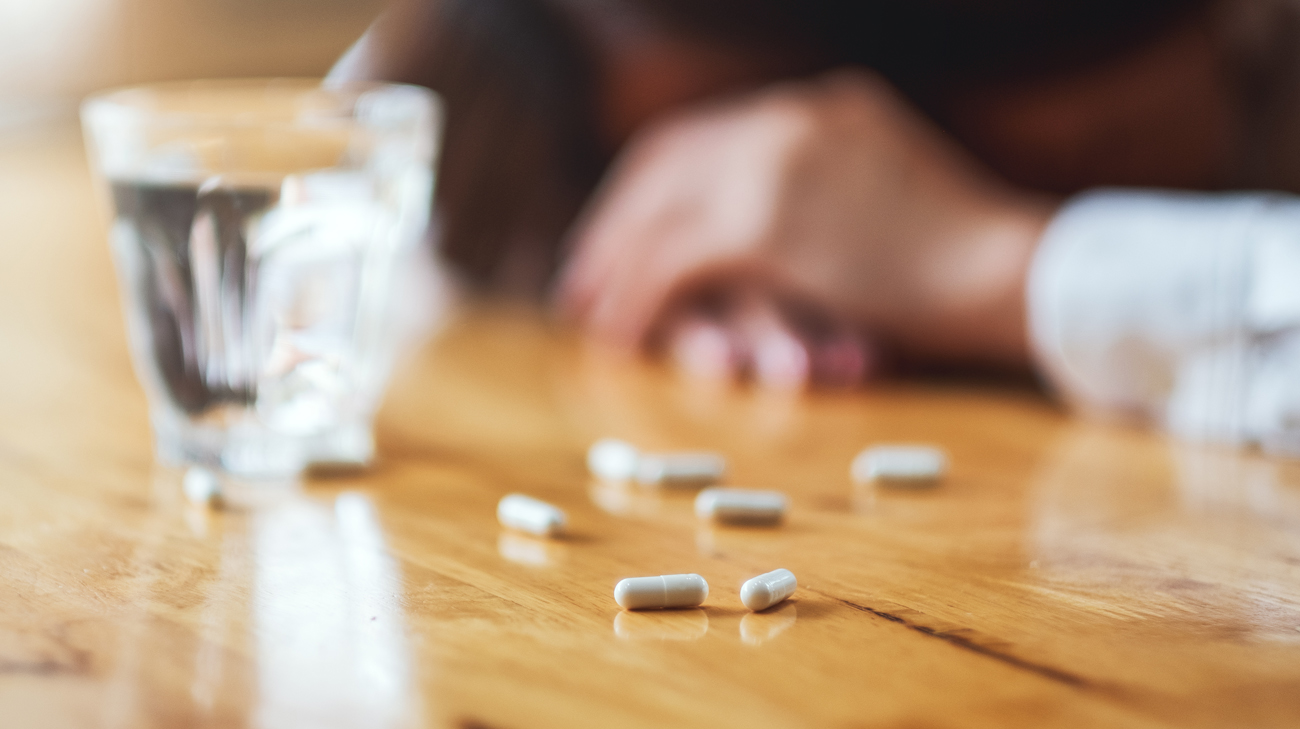
Substance abuse affects millions of people across the world — and South Africa is no exception. When addiction takes hold, it doesn’t only impact the person using. It reaches into families, relationships, workplaces, and communities.
At Eagles View Wellness Centre, we often meet people who are scared, confused, or unsure if what they’re facing “is bad enough” to ask for help. That’s why understanding the basics matters. Clarity reduces shame, and knowledge opens the door to recovery.
So, what exactly is substance abuse? What types are most common in South Africa? And which myths keep people stuck in denial?
Let’s break it down simply.
What Is Substance Abuse? (Definition)
Substance abuse refers to the harmful use of drugs or alcohol in a way that affects a person’s health, emotions, behaviour, or ability to function in everyday life.
This can involve:
- legal substances like alcohol, prescription medication, or over-the-counter drugs
- Illegal substances like tik (methamphetamine), heroin, cocaine, or Mandrax
A simple definition is:
Substance abuse is using a substance in a way that harms your health, relationships, finances, or daily functioning.
That harm doesn’t need to be dramatic for it to matter. Sometimes it looks like binge drinking on weekends, abusing pain pills, or using drugs to cope with stress. Over time, those patterns can grow into addiction — especially for people who are biologically or emotionally vulnerable.
At Eagles View we view addiction as a chronic, progressive disease.
It is not a lack of willpower. It is not a moral failure. It is a condition that changes the brain and behaviour.
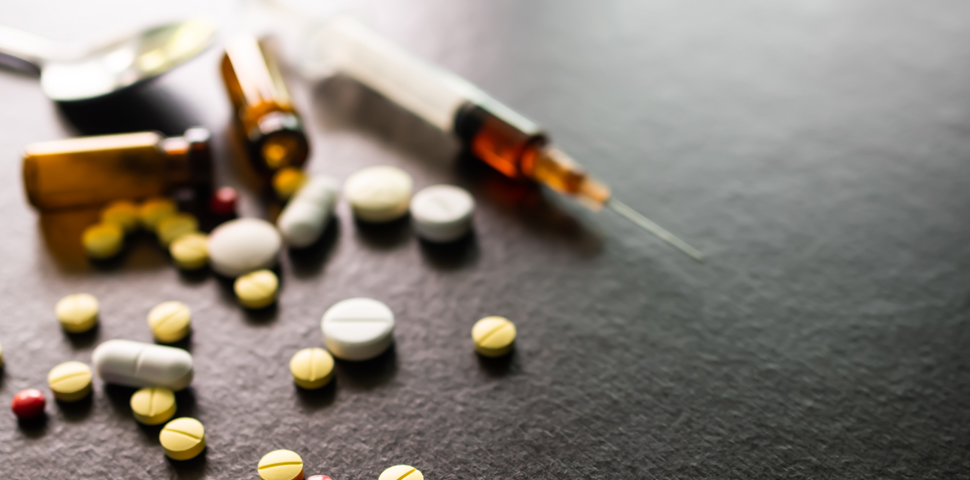
Types of Substance Abuse (Common in South Africa)
Below are some of the most common categories we see:
- Alcohole Abuse
Examples: Beer, wine, spirits, binge drinking
Risks: Liver damage, accidents, aggression, relationship breakdown, loss of control
Alcohol is socially accepted, which can make early abuse easy to miss — but it remains one of the biggest drivers of addiction in South Africa.
2. Illicit Drug Abuse
Examples: Tik (meth), heroin, cocaine, Mandrax
Risks: Overdose, financial collapse, paranoia, severe dependency, criminal consequences
Tik and heroin in particular have caused widespread harm in SA communities — but addiction affects every social and economic level.
3. Prescription Drug Abuse
Examples: Painkillers, sleeping tablets, anti-anxiety medication
Risks: Dependency, withdrawal, overdose, mixing with alcohol
Medication can be helpful when used correctly, but risky when it becomes a coping tool or is taken outside prescription guidelines.
4. Over-the-Counter Medication Abuse
Examples: Cough syrups, pain tablets, antihistamines
Risks: Liver/kidney damage, tolerance, eventual dependency
Because these substances feel “safe” and accessible, abuse can creep in quietly.
5. Inhalants and Synthetic Drugs
Examples: Glue, “spice,” vapour chemicals
Risks: Brain damage, heart complications, extreme psychological destabilisation
These substances are especially dangerous because their effects can be unpredictable and severe.
Common Myths About Substance Abuse
Myth 1: “Addiction is a choice.”
Addiction changes the brain. People don’t choose dependency.
Recovery requires support, treatment, and time — not judgement.
Myth 2: “Only weak people become addicts.”
Addiction affects professionals, parents, students, teenagers, and retirees.
Genetics, trauma, stress, mental health, and environment all play a role.
Myth 3: “Rehab is only for severe addicts.”
The earlier someone gets help, the better the outcome.
Rehab is not only for crisis — it’s for anyone whose relationship with substances is becoming unsafe or unmanageable.
Myth 4: “If they really wanted to stop, they could.”
Cravings, withdrawal, and emotional dependence make stopping extremely difficult without help. Many people need structure, therapy, and a safe environment to stabilise and rebuild.
Myth 5: “They’re functioning, so it can’t be that serious.”
Many people look fine on the outside while their addiction is growing on the inside.
“High-functioning” addiction is real — and often more dangerous because it hides behind success, routine, or a good image. If substances are starting to control mood, choices, or priorities, it matters — even if life hasn’t collapsed yet.
Myth 6: “They must hit rock bottom before they’ll change.”
Rock bottom is not a requirement for recovery.
Waiting for someone to lose everything can cost years — or a life. We see people recover beautifully when they get help early. Pain is a teacher, yes, but it doesn’t have to become destruction.
Myth 7: “If they just detox, they’ll be fine.”
Detox is important, but detox alone is not recovery.
Detox clears the body — rehab heals the mind, emotions, habits, and thinking patterns that drive addiction. Without therapy, structure, and lifestyle change, most people end up using again.

Why Understanding Substance Abuse Matters
If you’re struggling yourself, or you’re watching someone you love spiral, understanding substance abuse brings clarity and direction.
It helps people move from:
“What’s wrong with me?”
to
“I have a condition that needs treatment.”
And that shift is often the beginning of real recovery.
We Are Here to Help
At Eagles View Wellness Centre in Roodepoort, we offer structured, holistic substance abuse rehabilitation in a safe and compassionate environment. Recovery is possible.
You are not alone.
And asking for help is not weakness — it is courage.
If you’re worried about your own use or someone else’s, reach out. The earlier you do, the easier the journey becomes.