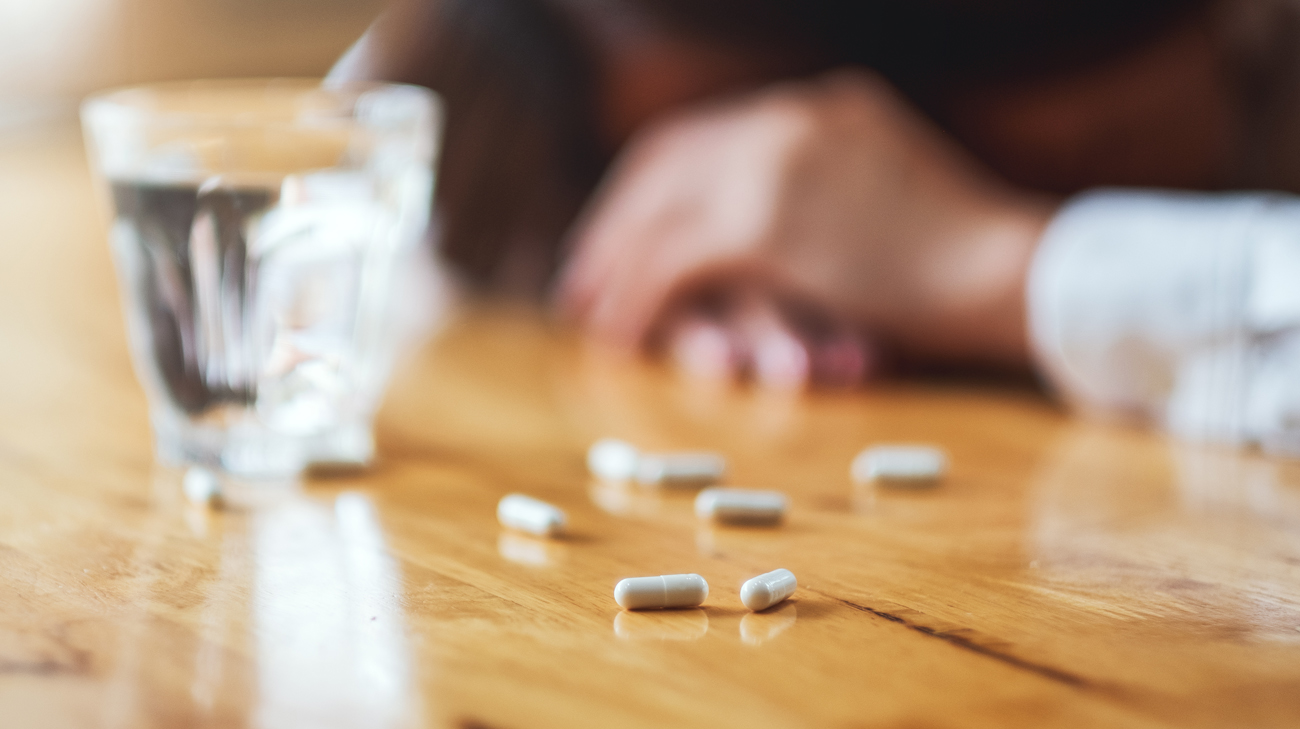
Substance Abuse in South Africa: A National Crisis with Local Impact
Substance abuse in South Africa continues to escalate, affecting individuals, families, workplaces, and communities across the country. While national statistics provide a broad overview, the reality is felt deeply at a community level — including here in Johannesburg.
Behind every percentage is a person struggling with alcohol dependency, drug addiction, trauma, or untreated mental health conditions. Understanding the latest substance abuse statistics in South Africa not only highlights the urgency of the crisis but also underscores the importance of seeking professional help from a reputable rehab centre in Johannesburg when intervention is needed.
The Current State of Substance Abuse in South Africa
Recent reports estimate that nearly one in five South African adults misuse mind-altering substances, including alcohol, cannabis, heroin, methamphetamine, and prescription medications such as codeine.
This places South Africa among countries facing significant public health challenges related to addiction.
Alcohol Abuse in South Africa
Alcohol remains the most widely abused substance nationwide.
- Per capita consumption averages approximately 7.21 litres of pure alcohol per person over 15 years old.
- South Africa ranks high globally in harmful drinking behaviours, particularly binge drinking.
- Around 16.5% of men engage in harmful alcohol use, with growing rates among women.
The issue is not merely consumption levels but the pattern of use. Heavy episodic drinking significantly increases the risk of:
- Alcohol use disorder
- Liver disease
- Depression and anxiety
- Domestic violence
- Road accidents
- For many individuals, alcohol dependency develops gradually — often masked as social drinking — until professional addiction treatment becomes necessary.
Drug Addiction Trends in South Africa
While alcohol dominates overall statistics, illicit and prescription drug misuse continues to rise.
Cannabis
Cannabis remains the most commonly used illicit substance across both youth and adult populations. Increased accessibility and shifting public perception have contributed to higher rates of use and treatment admissions.
Methamphetamine (Tik)
Methamphetamine continues to impact urban areas, particularly in certain provinces. The stimulant’s highly addictive properties make early intervention critical.
Heroin and Nyope/Woonga
Heroin use — often combined with other substances — has grown in several communities. Withdrawal from opioids can be severe, requiring medically monitored detoxification within a professional rehabilitation centre.
Prescription Medication Misuse
Codeine-containing painkillers and sedatives are increasingly misused. Because these substances are often obtained legally, dependency can go unnoticed until significant physical and psychological reliance develops.
Polysubstance Abuse: A Complex Clinical Challenge
Many individuals do not misuse a single substance. Polysubstance abuse — the concurrent use of multiple drugs or alcohol — is common in South Africa.
This significantly increases the risk of:
- Overdose
- Severe withdrawal complications
- Psychiatric instability
- Relapse after informal detox attempts
Effective treatment requires comprehensive medical supervision, psychiatric evaluation, and structured therapy — services typically provided by a fully equipped rehab centre in Johannesburg with multidisciplinary expertise.

Youth Substance Abuse: Early Exposure and Long-Term Risk
Substance exposure among South African adolescents is deeply concerning.
- Nearly half of adolescents report trying alcohol before age 18.
- Some begin drinking as early as 12 years old.
- Cannabis experimentation among teenagers continues to rise.
Early substance use disrupts neurological development and significantly increases the likelihood of adult addiction.
Prevention is critical — but when dependency develops, specialised rehabilitation services are essential to interrupt the cycle before lifelong consequences take hold.
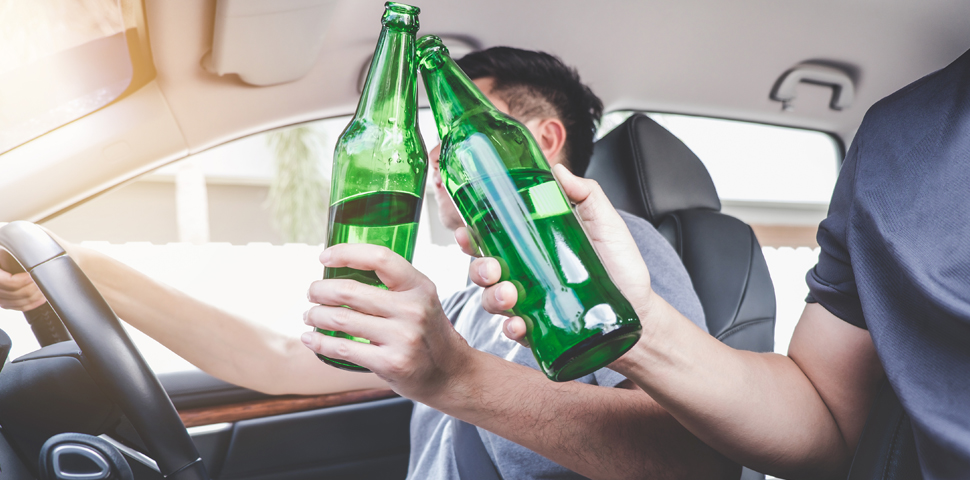
Alcohol and Road Fatalities: A Public Safety Emergency
Alcohol misuse extends beyond personal health risks. It remains a major contributor to road fatalities in South Africa, with some reports attributing up to 58% of road deaths to alcohol consumption.
These are not isolated statistics. They represent preventable tragedies affecting families across Johannesburg and the country at large.
Reducing alcohol dependency through early intervention and access to professional treatment plays a direct role in improving public safety.
The Economic and Social Cost of Addiction
Substance abuse carries significant financial consequences for South Africa.
Historical research suggests that alcohol misuse alone has accounted for up to 10% of GDP when factoring in:
- Healthcare costs
- Lost productivity
- Legal system strain
- Social services expenditure
On a personal level, families experience:
- Financial instability
- Emotional trauma
- Relationship breakdown
- Workplace difficulties
Addiction is rarely an isolated issue. It affects entire support systems — which is why comprehensive rehabilitation addresses both the individual and the broader family dynamic.
Why Local Access to a Rehab Centre in Johannesburg Is Critical
While national statistics provide scope, addiction is deeply personal. Timely access to a trusted rehab centre in Johannesburg can be the difference between ongoing deterioration and sustainable recovery.
Professional rehabilitation offers:
- Medically supervised detoxification
- Psychiatric assessment and dual diagnosis treatment
- Evidence-based therapies (CBT, trauma-informed care, group therapy)
- Structured relapse prevention planning
- Aftercare and reintegration support
Attempting to detox at home or delay treatment often increases physical risk and reduces long-term recovery success.
Dual Diagnosis: Addressing the Root Causes of Addiction
Many individuals struggling with substance abuse also experience underlying mental health conditions such as:
- Depression
- Anxiety disorders
- PTSD
- Trauma-related disorders
- Bipolar disorder
Without treating these co-occurring conditions, relapse risk remains high.
A reputable rehab centre in Johannesburg must provide integrated dual diagnosis treatment to address both substance dependency and its psychological drivers.

Seeing Beyond the Statistics
Statistics help us understand scale — but they cannot capture the human experience of addiction.
They do not reflect:
- The parent afraid to ask for help.
- The professional quietly struggling with alcohol dependency.
- The young adult trapped in a cycle of drug use and shame.
At Eagles View Wellness Centre, we recognise that recovery requires more than detoxification. It requires dignity, structure, medical oversight, and compassionate expertise.
Why Choose Eagles View Wellness Centre?
As a leading rehab centre in Johannesburg, Eagles View Wellness Centre provides:
- A medically monitored detox programme
- Personalised addiction treatment plans
- Multidisciplinary clinical support
- Confidential, structured care
- Long-term relapse prevention strategies
Our approach combines clinical excellence with compassionate support, ensuring that treatment addresses both physical dependency and the emotional factors underlying substance abuse.
Recovery is possible — and early intervention significantly improves outcomes.
If you or a loved one is struggling with alcohol or drug addiction, seeking professional treatment today can prevent further harm tomorrow.