The Brain on MDMA: Short-Term Highs vs. Long-Term Damage
MDMA is often associated with feelings of connection, energy, and emotional openness. Commonly known as ecstasy or molly, it is frequently used in social settings where the immediate effects may seem positive or even harmless. However, these short-term experiences can mask deeper and more lasting consequences.
Understanding the effects of MDMA on the brain is essential, particularly as repeated use can lead to long-term changes in mood, memory, and emotional regulation.
At Eagles View Wellness Centre, we often see how substances like MDMA shift from occasional use into patterns that affect mental health and overall wellbeing.
What Happens in the Brain When MDMA Is Used
MDMA works by flooding the brain with key neurotransmitters — primarily serotonin, dopamine, and norepinephrine.
Serotonin influences mood, emotional connection, and wellbeing
Dopamine reinforces pleasure and reward
Norepinephrine increases alertness and physical stimulation
This surge creates the intense emotional “high” many users experience. However, it also disrupts the brain’s natural chemical balance.
Over time, repeated stimulation of these systems can reduce the brain’s ability to regulate mood independently. This is where the long-term effects of MDMA on the brain begin to develop.

The Short-Term Effects of MDMA
In the hours after use, MDMA can produce effects that feel socially and emotionally appealing.
Common short-term effects include:
- Increased energy and alertness
- Heightened emotional connection
- Reduced social anxiety
- Distorted perception of time and surroundings
These effects are often why MDMA is used in party or social environments.
However, even in the short term, the body is under strain. Many individuals experience:
- Dehydration
- Increased body temperature
- Muscle tension
- Nausea
These physical responses are early indicators that the body is working to compensate for chemical imbalance.
The Crash: What Happens After the High
As the effects of MDMA wear off, serotonin levels drop significantly. This results in what is commonly referred to as a “crash.”
During this phase, individuals may experience:
- Low mood or emotional numbness
- Fatigue and lack of motivation
- Irritability or anxiety
- Difficulty concentrating
For some, these symptoms last several days. This sharp contrast between the high and the crash can lead to repeated use, reinforcing a cycle that contributes to MDMA abuse.
Long-Term Effects of MDMA on Brain Function
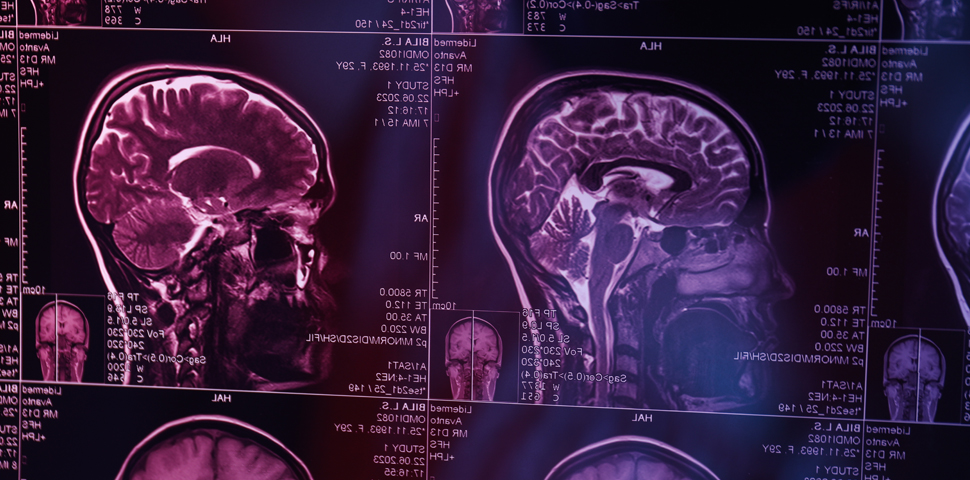
Repeated MDMA use can have lasting effects on brain function, particularly in areas responsible for emotional regulation and memory.
Potential long-term effects include:
- Persistent anxiety or depression
- Memory and concentration difficulties
- Sleep disturbances
- Reduced ability to regulate emotions
Over time, the brain’s ability to produce and regulate serotonin may become impaired. This can make it increasingly difficult to feel stable or positive without the substance.
These changes are not always immediate, but they can significantly impact long-term mental health.
The Hidden Risk: Unregulated Substances
One of the most overlooked dangers of MDMA is that it is rarely pure.
Substances sold as ecstasy or molly may contain:
- Synthetic stimulants
- Unknown chemical compounds
- Adulterants that increase toxicity
Because these substances are unregulated, users cannot accurately determine what they are taking. This increases the risk of overdose, severe psychological reactions, and physical harm.
This unpredictability makes MDMA use far more dangerous than many people realise.

When Does MDMA Use Become a Problem?
Not everyone who uses MDMA becomes dependent. However, patterns can shift gradually.
Warning signs may include:
- Increasing frequency of use
- Difficulty enjoying social situations without substances
- Ongoing low mood between uses
- Continued use despite negative consequences
These patterns often develop subtly, making early recognition important.
From Short-Term Highs to Long-Term Healing
The temporary effects of MDMA can make it easy to overlook the long-term impact on the brain. What begins as occasional use can gradually affect emotional wellbeing, cognitive function, and quality of life.
Substance use is often not only about the drug itself. It may reflect underlying stress, emotional challenges, or social pressures that require deeper support.
At Eagles View Wellness Centre, we provide structured, evidence-based treatment that addresses both the neurological and psychological aspects of addiction. Our multidisciplinary team supports individuals through medically monitored detox and comprehensive therapeutic care.
Recovery is not about removing a substance alone. It is about restoring balance, rebuilding resilience, and developing healthier ways to cope.
With the right support, lasting recovery is possible.
Seeking Support
If you or someone you care about is experiencing the effects of MDMA or other substances, early intervention can make a significant difference.
Whether you are searching for a rehab centre in Johannesburg or a rehab centre near you, choosing a structured, clinically supported environment is key to sustainable recovery.
Eagles View Wellness Centre offers personalised treatment designed to support long-term healing in a safe and professional setting.